The impact of gambling on mental health and well-being
The psychological effects of gambling
The act of gambling can have profound psychological effects on individuals. For many, the thrill of placing a bet can lead to excitement and euphoria. However, this initial high often masks deeper emotional issues, such as anxiety and depression. As players chase losses or experience the ups and downs of winning and losing, their emotional stability can fluctuate wildly. This instability may eventually contribute to a pattern of compulsive behaviors.
Moreover, the psychology of gambling connects closely with feelings of self-worth. Participants may tie their identities and sense of achievement to their gambling successes. This connection can exacerbate mental health issues, leading to a cycle where emotional distress drives individuals to gamble more, seeking relief or escape. Professional help and self-awareness are critical in breaking this cycle, allowing individuals to regain control of their lives.
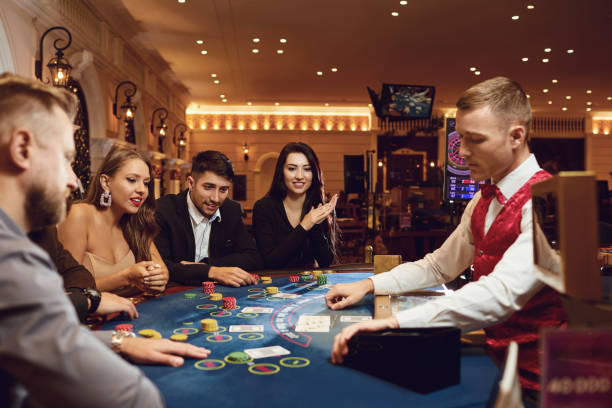
It is essential to understand that gambling can also stimulate addictive behaviors similar to substance abuse. This prompts the brain to release dopamine, creating a sense of pleasure that reinforces the desire to gamble again. Over time, this can lead to a deterioration in mental health, where gambling becomes a damaging coping mechanism, overshadowing other healthy outlets like social engagement, hobbies, or physical activity.
The impact on relationships
Gambling can also take a significant toll on personal relationships. As an individual becomes more engrossed in gambling, their relationships with family members and friends may start to deteriorate. This can result from spending excessive time gambling or the financial strain from gambling losses. Trust issues often develop when the compulsive gambler starts to hide their activities, leading to deeper rifts and misunderstandings.
Moreover, the emotional withdrawal associated with gambling can create distance in relationships. Partners may feel neglected or unsupported, leading to feelings of rejection and isolation. Many people have reported issues such as increased arguments, separation, or even divorce as a direct result of one partner’s gambling habits. The emotional scars left by these experiences can take years to heal, impacting individuals well beyond the gambling phase.

Additionally, children in families affected by problem gambling may suffer in silence. They often bear the brunt of the emotional fallout, which can manifest as anxiety, poor academic performance, and strained friendships. It’s crucial to realize that the impact of gambling extends beyond the individual, touching every corner of their lives and enveloping their loved ones in a cycle of pain and disappointment.
The financial burden and stress
The financial implications of gambling addiction are profound and can lead to overwhelming stress. Many individuals find themselves in significant debt as they attempt to recover losses by making larger bets. This cycle of chasing losses can result in catastrophic financial situations, including bankruptcy, loss of savings, and even homelessness in extreme cases.
The stress associated with financial instability can exacerbate existing mental health conditions and create new ones. Individuals may experience anxiety attacks, severe depression, or feelings of hopelessness due to their financial situations. The constant worry about money often detracts from their ability to engage in daily activities and responsibilities, compounding the negative effects on well-being.
In many instances, individuals may resort to deceitful measures like borrowing money from loved ones or engaging in illegal activities to support their gambling habits, causing further damage to their relationships. The fear and shame surrounding these actions can lead to even greater emotional isolation, as individuals grapple with guilt alongside their financial troubles. This multifaceted burden of stress not only affects them but can also ripple through their entire social network.
Coping mechanisms and treatment options
Addressing the mental health consequences of gambling requires effective coping mechanisms and treatment options. Cognitive Behavioral Therapy (CBT) has shown promise in helping individuals understand their thoughts and feelings related to gambling. By recognizing these patterns, individuals can learn healthier ways to cope with their emotions and reduce gambling behaviors.
Support groups, such as Gamblers Anonymous, provide a community for those struggling with gambling issues. Sharing experiences and strategies in a supportive environment can significantly enhance recovery and emotional well-being. It’s crucial for individuals to seek help and engage in open conversations about their struggles to foster healing and understanding.
In addition to therapy and support groups, self-help strategies can also be beneficial. Setting strict limits on gambling activities and finding alternative forms of entertainment can help divert attention away from the urge to gamble. Practicing mindfulness and developing skills for emotional regulation can reduce the temptation to resort to gambling as a coping mechanism. Furthermore, involving family members in this process can strengthen relational bonds while promoting accountability.
Explore more at our website
For those seeking an engaging way to explore topics related to gambling, consider visiting our website. We offer various resources related to gaming, including the thrilling ice fishing casino game. Our platform provides a unique blend of entertainment and awareness, helping users understand the complexities of gambling. By accessing our resources, users can learn about responsible gaming practices and how to maintain a healthy balance.
Engaging with our content allows individuals to appreciate gaming without jeopardizing their mental health. Make informed choices and prioritize well-being while enjoying the excitement of games with us. Our commitment to promoting responsible gaming is central to our mission, encouraging users to adopt habits that foster mental stability and enrich their lives. We believe that through education and awareness, individuals can enjoy gambling as a form of entertainment without it spiraling into an overwhelming challenge.