Archives

Crochet Beanies for Donations

We are having a beautiful Spring day and I thought I would take just a moment to share a picture of some of the baby beanies that I have made.  Hopefully, giving you some fresh ideas that can be made from this quick, simple pattern.   I am donating these to our local hospital’s maternity ward for the newest arrivals!!

Also, I did knit two preemie sized beanies from a free Red Heart pattern that I tweaked a bit.   If you are interested in that pattern, let me know and I will tell you what I did.

SONY DSC

As you can see, I used several different solid colored baby yarns, a variegated brown and pink baby yarn, two shades of pink for one and I made one by crocheting a solid blue baby yarn and a solid white baby yarn together.

Using different sizes of hooks and weights of yarn gives you a nice variety of shapes and sizes.

For my next batch, I think I will add some pompoms to the tops and/or little appliques.  Hope you have as much fun creating these beanies as I have!!

HAPPY CREATING!!

Disclaimer:  This post contains affiliate links – “small commission earned”


Crochet iCord

Knowing how to make a crochet iCord is another great technique to have within your stitch file.  It is a pretty simple repeat stitch pattern and you will find many uses for an iCord for your clothing, accessories, appliques, etc.

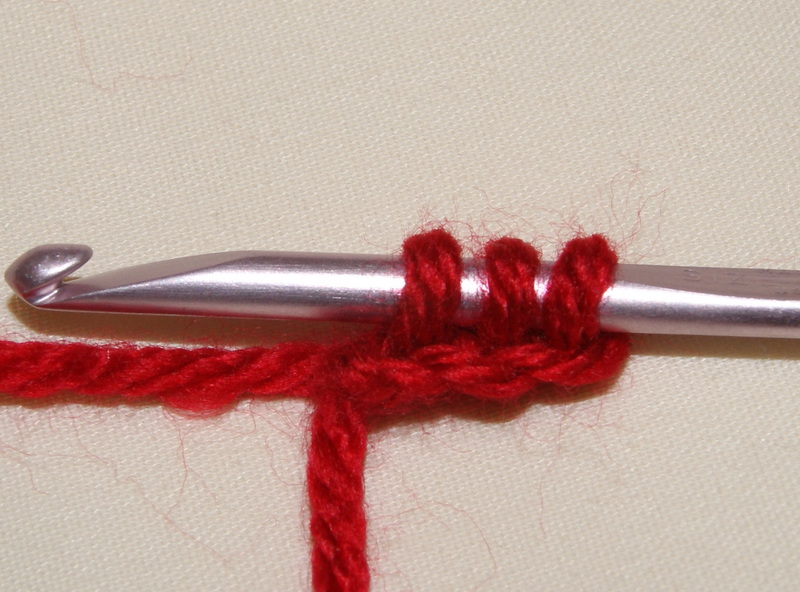
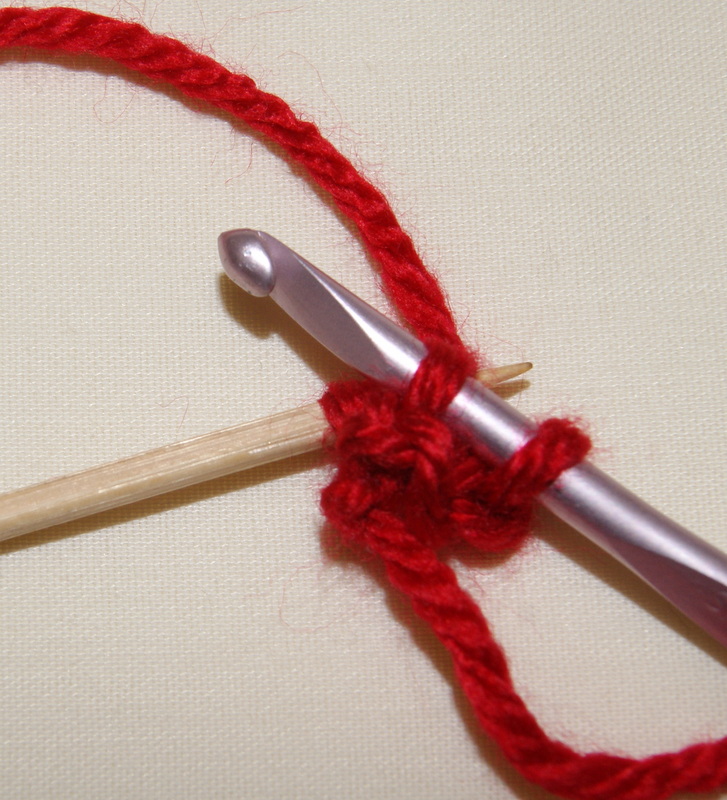
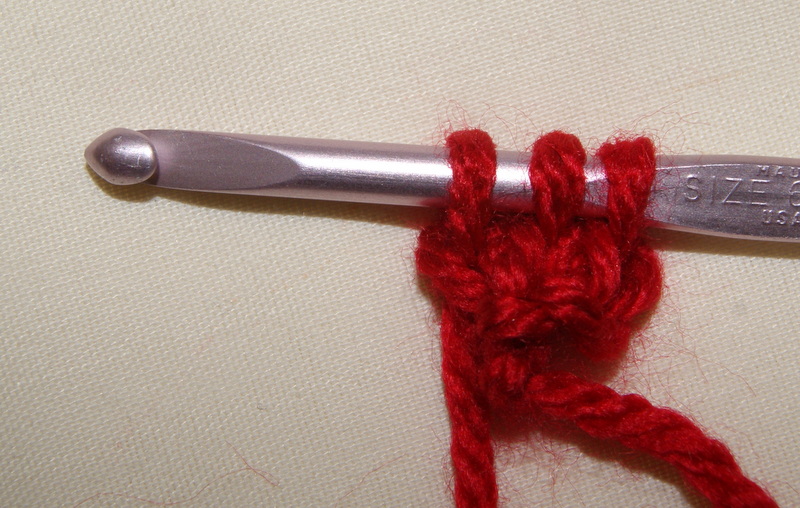
The basic concept is working with three chain stitches to form a tube.  So to begin you would crochet three chains stitches, then insert your hook in the second chain from hook, yarn over (yo) and pull through loop.  Repeat this step in the third chain from hook.

Made 3 chains, ready to insert into 2nd n 3rd chain from hook

Made 3 chains, ready to insert into 2nd n 3rd chains from hook

3 loops on hook, ready to begin making iCord

3 loops on hook, ready to begin making iCord

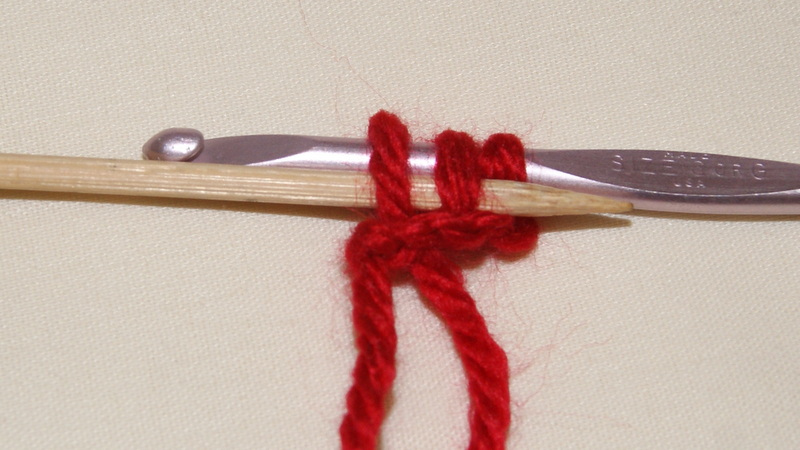
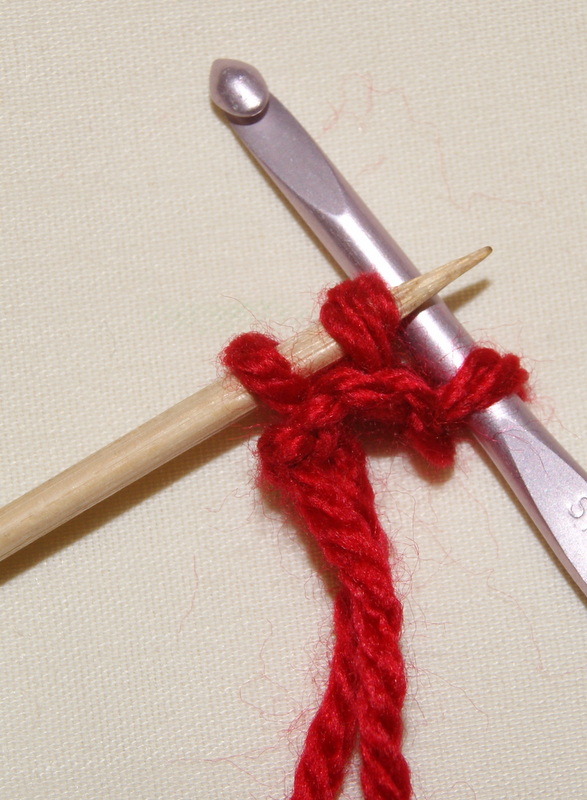
Now you want to slide off the first two (2) chains from your hook onto another holder like a knitting needle, chop stick, or a large tapestry needle.  I personally have success using a bamboo knitting needle.

Sliding on to your holder, knitting needle

Sliding on to your holder, knitting needle

Two stitches on holder and one one crochet hook

Two stitches on holder and one on crochet hook


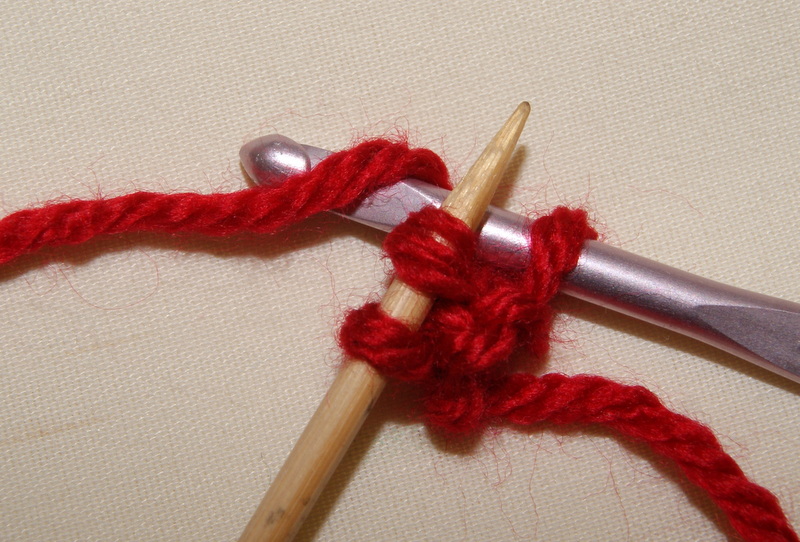
Once you have those two chains placed on your holder, you will begin making a chain stitch (*yo and pull through the loop) with the remaining loop on your crochet hook.  Now slide your 1st chain stitch loop back onto your crochet hook, make a chain stitch (*) and then slide your 2nd chain stitch loop back onto your crochet hook, and again make a chain stitch (*).

YO ready to make 1st chain with loop on hook

Ready to make 1st chain with loop on hook, YO pull through loop

Sliding 2nd chain back onto crochet hook

Sliding 1st chain stitch loop back onto crochet hoo

You just keep repeating this process until your cord is the length that you want.  To fasten off, just do a yarn over and pull through the three loops on your hook, now cut your yarn and pull it through the last remaining loop on  your hook.

First row completed

First row completed

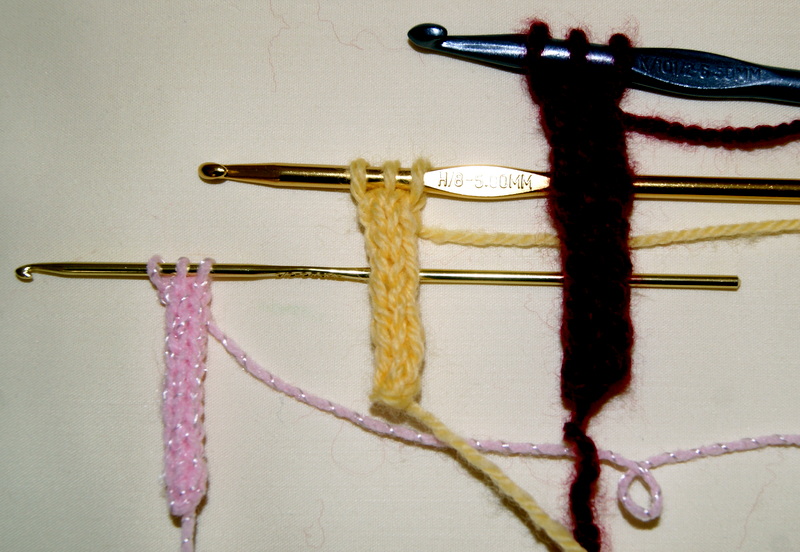
You can create different size iCords by varying your yarn weight and hook size.

Various sizes of iCords you can make

Various sizes of iCords you can make

 HAPPY CREATING!!

Disclaimer:  This post contains affiliate links – “small commission earned”

Variation on Crochet Seed Stitch

Whether knitting or crocheting, the seed stitch creates a neat bumpy look to accent your project.

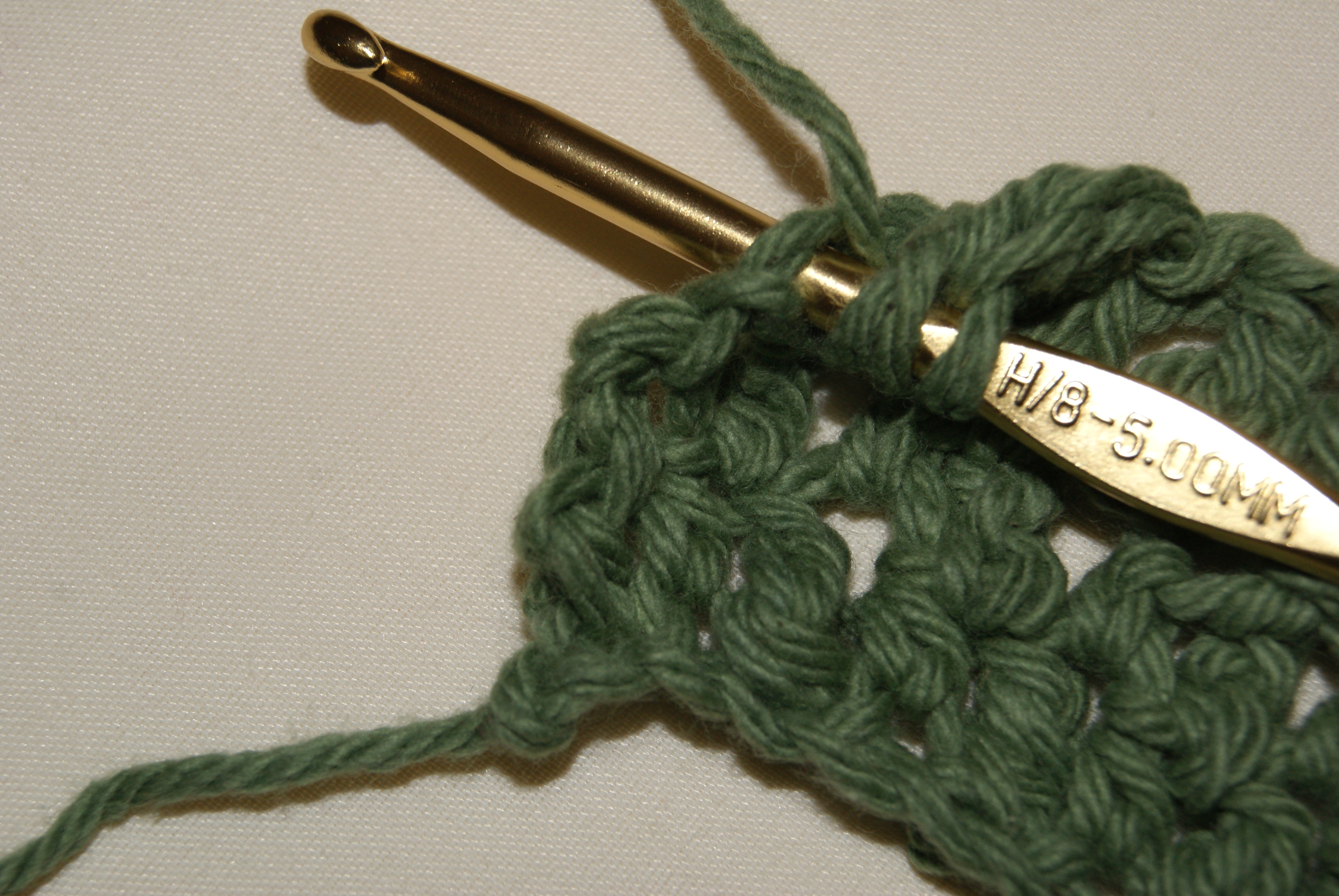
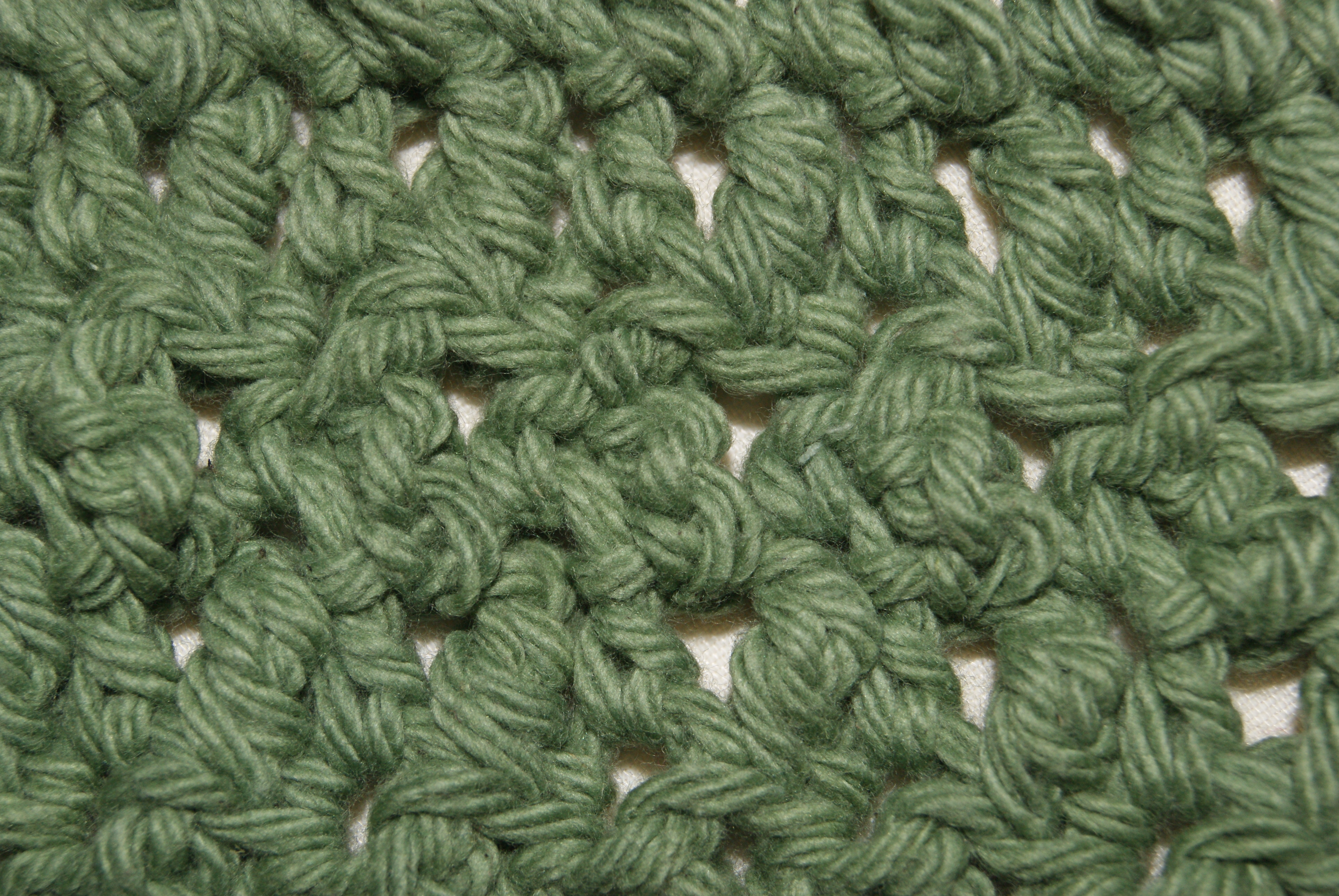
The crochet technique for making a seed stitch is usually based on alternating a single crochet with a double crochet, which creates a strong, dense looking pattern.  My variation is created by alternating a half double crochet stitch and a treble crochet stitch.  This gives a more open look to your crochet design pattern.  Of course, type of yarn used and size of crochet hook will make different looks too.


1st row of alternating HDC and TR

1st row of alternating HDC and TR

For my sample, I used a Size H crochet hook and 100% cotton yarn.  You want to begin by chain stitching an odd number of chains, (I chained 21 stitches in sample).  Now make a HDC (half double crochet) in the 2nd chain from hook.  In the next chain, make a TR (treble crochet), in next chain make a HDC,  next chain a TR and so forth until to get to the end of your chain stitches.  If you started your first row with a HDC, you will end with a TR crochet and have 20 stitches in your row.


Turn, make a SL stitch in first stitch, CH 1 (counts as your first HDC), then continue in pattern – TR, HDC, TR, HDC, TR, making last TR stitch in top of CH 1 stitch from previous row.

Go thru both loops of previous row to make your HDC and TR stitches

Go thru both loops of previous row to make your HDC and TR stitches

So your pattern is alternating HDC and TR within each row as well as alternating HDC and TR vertically.   As you begin your next row, your first SL stitch and chain is your HDC made directly above the TR stitch made in the previous row.  Continue crocheting in this manner,  thus creating your seed stitch pattern.

Picking up CH stitch to create last TR stitch in row

Picking up CH stitch to create last TR stitch in row

Seed stitch pattern, close up

Seed stitch pattern, close up

Another pic of several rows of seed stitch variation pattern

Another pic of several rows of seed stitch variation pattern


Disclaimer:  This post contains affiliate links – “small commission earned”

HAPPY CREATING!!

Disclaimer:  This post contains affiliate links – “small commission earned”

Crocheting Edges – Flour Sack Tea Towel or Pillowcase

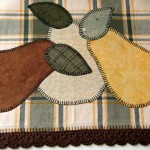
Have you recently received a “Save the Date” invite for a wedding or special anniversary get-together and would like to make a really wonderful keepsake gift??  Customizing a set of purchased pillowcases or simple tea towels with a beautiful crochet edging makes a lovely treasured present. SONY DSC
It is important that you have a good foundation stitch as your starting point.  If your sewing machine has a buttonhole or blanket stitch built-in, this makes for a great beginning edge.   Just sew this stitch along the edge of your item to create your foundation stitches that you will then crochet through.  In my sample, I used a hand quilting thread by Coats & Clark with regular thread in bobbin to provide a good strong foundation.
Machine blanket stitch 4.0 length x 4.5 width

Machine blanket stitch
4.0 length x 4.5 width

If your machine doesn’t have this type of built-in stitch, creating a buttonhole or blanket stitch by hand is a rather simple embroidery stitch to do for your foundation.  OR you could embroider a chain stitch or stem stitch to use along the edge of your project to crochet through.   Uh-oh, creative juices flowing here!!

Once you have established your foundation stitches, now you can begin making your crochet design.  You will find different edging designs that will call for an odd or even number of crochet stitches to create your pattern.  Therefore, I like to crochet my first row with just single crochet stitches along my foundation so I can make the necessary increases (if needed) to insure I have the correct number of stitches necessary to work with to complete my pattern.
Making SC in blanket stitching row

Making SC in blanket stitching row

Here’s a very nice, simplistic crochet edging pattern to do.  This design requires you to have enough stitches for: multiple of 4 + 1.   Your first row:   Ch 1,  1 Sc in each stitch, turn.  Row 2:   Ch 1, skip first Sc, then 1 Sc in each stitch across to end, turn.  Row 3:  Ch 1, skip first 2 Sc,  5 Dc in next Sc,  skip 1 Sc,  1 Sc in next Sc,  *skip 1 Sc,  5 Dc in next Sc,  skip 1 Sc,  1 Sc in next Sc, repeat from * to end and fasten off.
Crochet with a Size 1 steel hook and Size 3 thread

Crochet with a Size 1 steel hook and Size 3
thread

   TIP:  Always have your work with the right side of the fabric facing you and use a heavy duty sewing machine thread,  DMC floss, or your actual crochet thread for your foundation stitches.   Try to closely match your crochet thread that you will be using for your design.

HAPPY CREATING!!

Disclaimer:  This post contains affiliate links – “small commission earned”

Fabric Scraps for Kids

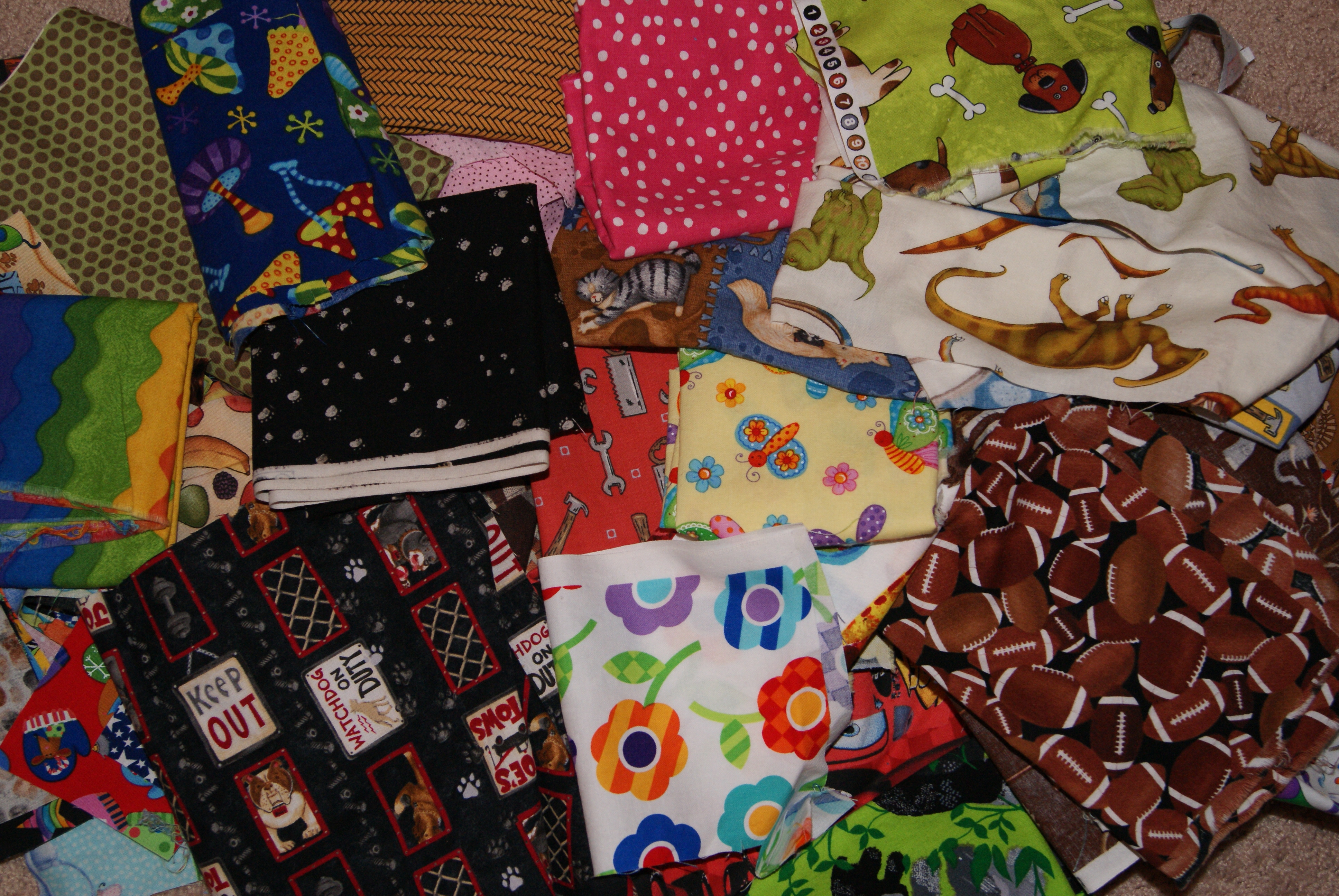
If you are a sewer or quilter and have fabric scraphobia (can’t bear to throw away any leftover fabric) then maybe you should start a “scrappy” bin for that young child to use for their creative moments!!

I definitely have SCRAPHOBIA!!

I definitely have
SCRAPHOBIA!!


Nothing more exciting than rummaging through a big pile of fabric to pick out those special colors or textures to create with.  Using scraps is a great way to introduce the sewing machine to a youngster with adult supervision close by.

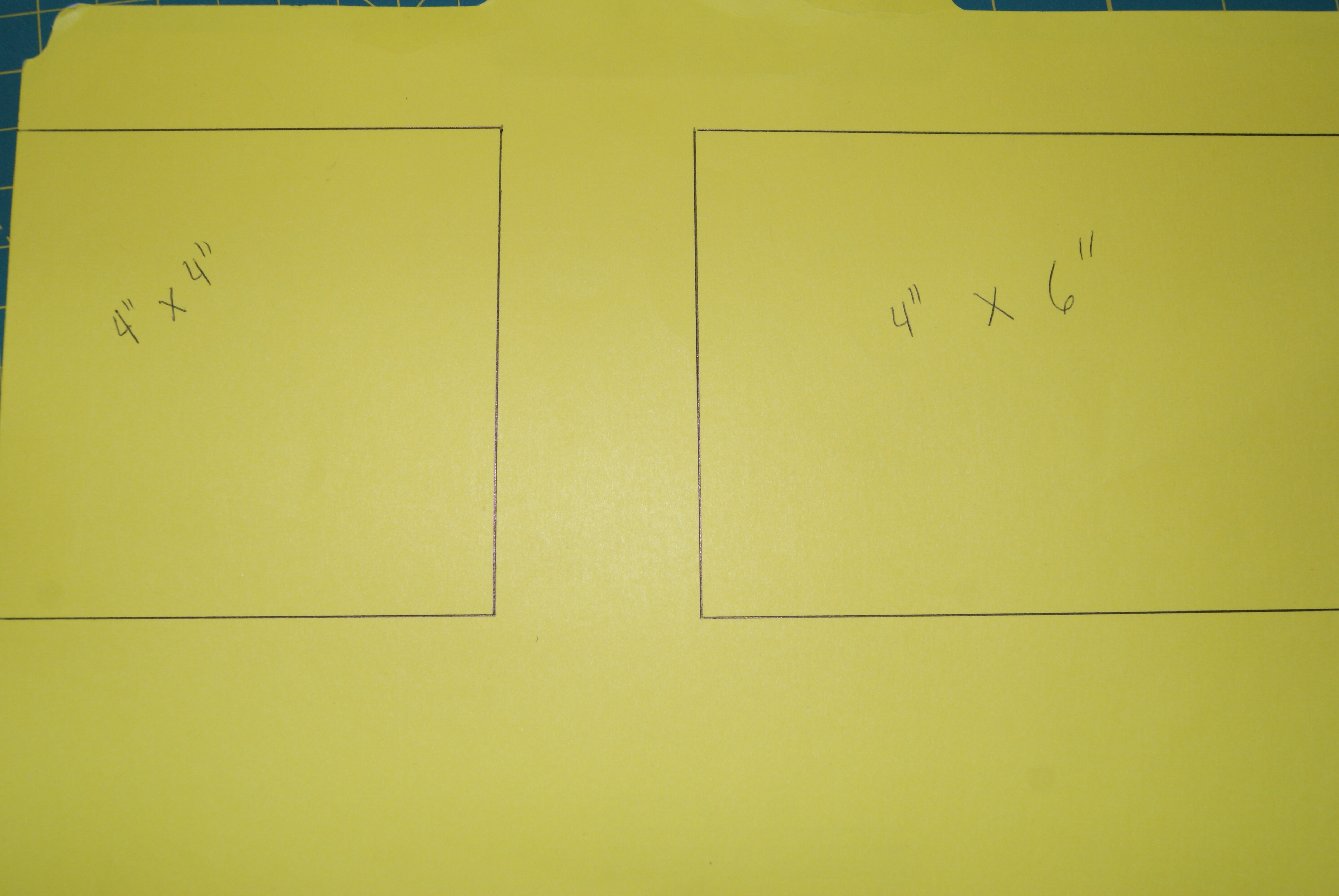
Let them select about a dozen different fabrics and sort them out into two piles – light colors and darker colors.  Then cut out a wide selection of squares and/or rectangles.   Designing  a template for them to trace their shapes onto the wrong side of the fabric helps with the cutting process.

Used an old file folder to make my template guide.

Used an old file folder to make my template guide.

Remember to include a 1/2″ seam allowance on all sides of your template.   Try to keep the fabric squares or rectangles a good workable size; something like 4″ x 4″ and 4″ x 6″.  Easier for their little fingers.

Now begin sewing the fabric shapes together in whatever design that appeals to the child.  Let them think “outside the box” and use their imagination for their finished scrap fabric project.   They might want to create a blanket for a baby doll or stuffed animal or maybe their design will be a cool “shawl” for those dress up games!!

You could finish all the edges of the scrap fabric design with just a simple zigzag stitch.  Or if your children is more experienced, cut out a light weight batting and backing; then stitch together on three sides (right sides together) with the batting in the middle.  Turn to the right side and machine stitch closed to make a scrappy little quilt that they could tie together.

Have loads of fun!  Exposing your child to new craft techniques makes for wonderful memories too!!

HAPPY CREATING!!

Disclaimer:  This post contains affiliate links – “small commission earned”