Archives

Sewing Must Haves

Having the right tool for the right job is always a plus even for sewing projects.  I’m sure anyone who does crafting or sewing, even the very casual sewer, has the very basic items readily available; like a good pair of scissors, needle and thread.

Here are some worthwhile tools that I’m sure you will find helpful to give your sewing projects that professional look and feel.   A well equipped sewing room always has a seam ripper at hand, maybe even two.  You will just have those moments when it will be necessary to utilize the seam ripper and this tool does make fast work of taking out thread.

Another great tool to have at your disposal is a knit picker.   You know how your favorite sweater will get a snag and you end up with a pulled thread, well the knit picker makes fast work of pulling that loop to the wrong side of the material and you cannot tell that there was ever a snag.

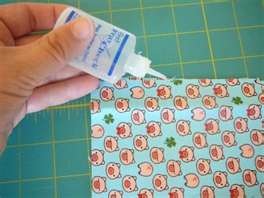
Fray check is another one of my personal favorite sewing aids.  The name says it all!!  This liquid, when dry, helps to keep fabric and/or threads from fraying.   Easy to use and is machine washable and dry cleanable.
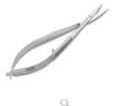
Sewing snips are a convenient item to have for cutting threads.  They are lighter than a pair of scissors and  you use only one motion for snipping those threads.
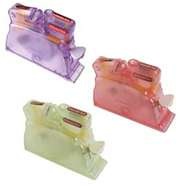
A needle threader, tweezers and a soft measuring tape are very useful items to have readily available too.  A turning/stuffing tool is super nice to have when you have to turn a corner to the right side or getting batting into small areas.  Actually, I have had success using a knitting needle or a chop stick to help make a crisp corner or pushing that little bit of batting into place.
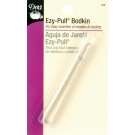
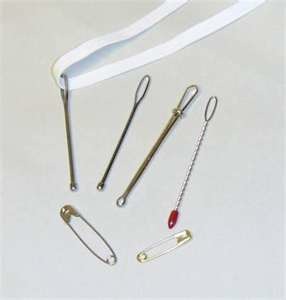
Elastic  threaders or a bodkin are great to use to help pull elastic through a casing.   Safety pins are a must too and can also be attached to the end of elastic for threading through a casing.
A couple of more unusual items to have in your sewing basket are a telescopic magnet and a magnifying glass. The magnet is a great tool to help pick up those pins that you know are going to spill or to find that one illusive pin that dropped onto the rug and you can’t see it.  Speaking of can’t seeing, the magnifying glass gives you that extra oomph when looking at very small, detailed work.

These little sewing aids are not only perfect for the seamstress/crafter but also having them available in a little bin in your closet or desk drawer at work for those times when a clothing mishap presents itself would be an unexpected pleasure!!

HAPPY CREATING!!

Disclaimer:  This post contains affiliate links – “small commission earned”

The Scoop on Cotton Fabrics

For me, the best part of sewing is going to a fabric store and touching, looking at and then selecting my fabric needed for the project that I am planning. I have found over the years that some cotton fabrics have succumb to that new marketing of same old container but actually less product inside.

You use to always pick up your bolt of cotton fabric and it was 44″-45″ wide, however, now look closely because most of the time your cotton widths are now 42″-43″ wide.  Unfortunately, patterns still give yardage requirements for the 44″-45″ wide fabrics and depending upon your project, you might need to purchase more yardage than what is recommended.  It can be a little frustrating but knowing this fact, always check the end of the bolt to verify your fabric width size.

As a rule of thumb, if making clothing you might need to purchase about an extra 1/4 of a yard of your selected cotton fabric to insure you have enough for all your pattern pieces.  Before I cut out any pattern pieces, I always wash my cotton fabrics in cold water and place in the dryer at a medium temperature.  This way I feel I have reached the maximum shrinkage of that piece of fabric, especially if you are making children’s clothing because busy moms just want to through that item into the washer and dryer without any worries.  You really don’t want to spend the time and effort making a wonderful piece of clothing and wash/dry it and have it shrink a couple of inches.

Surprisingly, some cotton fabrics could shrink 2 – 3 inches after completing the washing and drying process.  That’s why I usually purchase a little extra to allow for the narrower width and possible shrinkage.  Nothing more upsetting than to find out you don’t have enough fabric when laying out your pattern pieces.  Even for quilting, because I solely use cotton fabric, I will buy a little extra for that same purpose of shrinkage and narrower fabric widths.

In rare instances, a 1/4 of yard extra might not be enough especially if you are using a one-way design fabric, which means all your pattern pieces need to go in the same direction.  Pattern design and size requirement of the finished item are specific measurements to look at when determining  your yardage needed.  Be sure to check with the individual who is cutting your fabric if you have any questions about the yardage requirements needed for your specific project.

I still LOVE to sew with cottons.  It makes up wonderfully in clothing, crafts, home deco projects and more.   There are many wonderful colors and designs available in cottons fabrics too.  Because it really has a great weave to it, you can just make a small clip and rip your  fabric to get a true straight of grain edge to work with.  Cottons are really a great fabric to work with too especially if you are a first-time sewer or helping a child sew a project.

You don’t just have to go to the big box fabric store either to purchase great cottons.  A couple of my favorite on-line fabric stores are fabric, thousands of bolts and fabric shack.  I still find it fun and amazing to be able to purchase fabric in my pjs!!!!

HAPPY CREATING!!

Disclaimer:  This post contains affiliate links – “small commission earned”


Not the same old Resolution!!

The beginning of a new year makes us ready for resolutions of all kinds.  Why not take this time to organize all those sewing supplies, clean your sewing machine and stock up on your sewing notions!!

Make sure you have plenty of sewing needles:  Sizes 9, 10 are great for delicate fabrics, Sizes 12, 14 work for medium weight fabrics and Sizes 16, 18 are for those heavier fabrics like denim.  Sewing with a good, sharp needle can really make a difference when sewing and in the completed project itself.  One needle is good for about 15 hours of sewing.  Also, you can use little wire baskets to store your needles by sizes and types.

Now is a great time also to read your sewing machine manual again to make sure you are oiling it correctly.  Take off the needle plate and use a little brush to remove all those pesky thread fuzzies!!  Keep a small makeup brush in your supply stash to dust your machine regularly.

Purchase some new bobbins for your machine to have ready for all those projects you have dancing in your head.  Nothing worse than to begin a new activity and realize all your bobbins are filled with the wrong color of thread.  Also, organize your spools of thread by color on a thread rack.  They are ready at a glance for that inspirational moment that strikes at 10:00 p.m. or, like me, at 5:00 a.m. Take a moment to sort bias tapes, elastics, Velcro, etc. into small totes for easy access.  Small canning jars work nicely for buttons and make for a fun display too.  Sorting your buttons by color is really a time saver.

A couple of sewing references that I enjoy checking out are Clotilde and Atlanta Thread and Supply.

Just taking an afternoon or weekend getting your sewing space organized, labeled, and cleaned up will not only brighten your area but will give you that “feel good” fuel to generate new projects.

HAPPY CREATING!!

Disclaimer:  This post contains affiliate links – “small commission earned”